Pet-friendly cafes: places to avoid?
Petting a lion cub or taking a selfie with one between cappuccinos: this is the latest trend at animal cafés, which is attracting millions of tourists. Behind the perfect social media photo lies a much less positive reality.
☕️ Pet-friendly cafes: What are they?
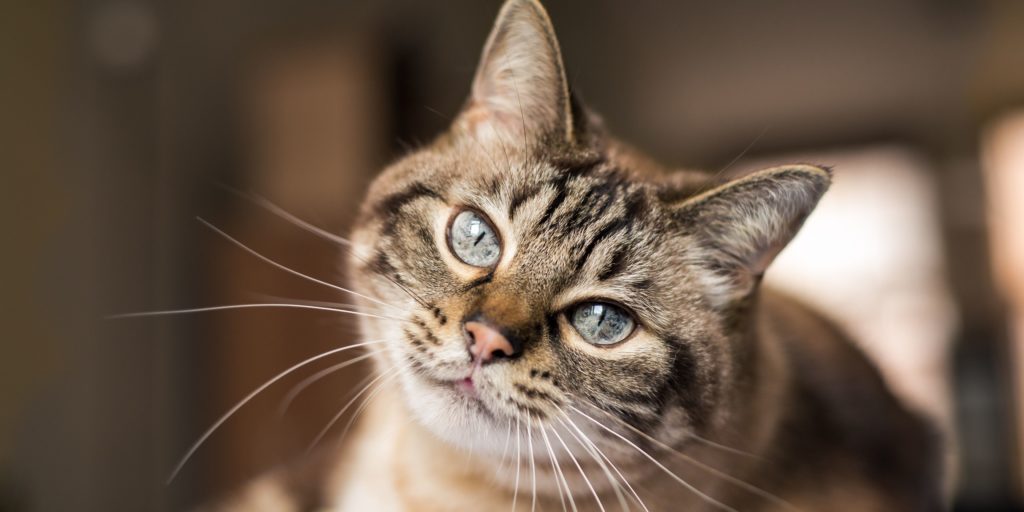
It was in Taipei, in 1998, that the first cat café opened, and the concept quickly spread to Japan, where the first such venue opened its doors in 2004 to meet the needs of people living in accommodation where pets are not allowed. The idea is to spend one to two hours in the company of cats, which you can stroke whilst reading a book or having a drink.
The most common are cat cafés, which focus on ‘purr therapy’, a form of therapy that has a calming effect thanks to the sound of cats purring. Other cafés work in partnership with charities to offer cats for adoption.
Among these bars, there are others that have chosen to feature more exotic animals, such as reptiles, capybaras, owls, meerkats, and even lion cubs.
However, the question we must ask is whether these establishments respect animal welfare.
🐾 Animal welfare
British animal welfare organisations, such as the equivalent of the SPA, have announced their intention to ban pet cafés, as they are said to be a hindrance to animal welfare.
A significant number of pet bars are springing up across the UK, leaving these cats locked up day and night in these establishments. According to one expert, the cats are able to hide their anxiety or stress effectively.
Given that they can hide signs of distress, we cannot say for certain that these animals are happy, and certainly not by projecting our own feelings and behaviour onto an animal. This is known as anthropomorphism.
Living in a café all the time means being constantly exposed to artificial light, camera flashes and noise. Although these are conditions to which we, as human beings, are accustomed, we cannot apply our own habits to animals and assume that what we impose on them is sustainable for them, when in fact it may instead cause chronic stress, leading to a significant increase in cortisol levels, and further disrupt their biological balance, including their sleep.
🦁 Lion cub bars
As well as cat cafés, Thailand is seeing a boom in ‘lion cafés’ where tourists pay to pose alongside lion cubs. This poses a risk, as people have been bitten.
NGOs such as the Wildlife Friend Foundation Thailand (WFFT) point out that these wild animals come from intensive breeding farms where they are taken away from their mothers at birth. They live in appalling conditions, notably being kept in confinement and poorly fed. They develop diseases and infections, and once they have grown up, they are sold on to breeding farms. On these farms, they fail to develop the survival instincts they would normally acquire in the wild. They end up displaying aggressive behaviour towards people that is a far cry from their natural behaviour.
The question we must ask ourselves is: what becomes of these lion cubs once they reach adulthood? The majority of them end their lives in cages in private zoos or are sold on the black market. Their rightful place is in suitable animal sanctuaries or in vast open spaces where they can regain some semblance of a wild life.
🐈Pet cafés as a gateway to adoption
As for cat cafés, some are taking a proactive approach by partnering with local animal shelters to put cats up for adoption. Under this model, prospective adopters can visit several times to get to know the animal they wish to adopt before committing to a permanent adoption. This enables these cafés to relieve pressure on animal shelters and raise public awareness of animal welfare issues.
🐒 Animal bars: what can be done?
Animal bars attract people who are looking for an experience with exotic and wild animals. However, they indirectly encourage these bars to continue this practice and reinforce the approach taken by current owners, whereas what is really needed are more animal sanctuaries to preserve animal species as much as possible, particularly those threatened with extinction.
According to a study conducted by WWF Japan and Hokkaido University on 25 of the 80 cafes surveyed in Tokyo and Osaka, 27% of the 1,700 animals observed belonged to endangered species, and three-quarters of these establishments were also authorized to sell animals. In response to these abuses and health risks, the Japanese government has launched its first-ever national investigation to better regulate the sector.
Avoiding these commercial establishments remains the best way to stop supporting this business.

Internet resources :
- Le Figaro – “Inevitably, suffering”: Should you visit animal cafes in Japan if you love animals? [in French] : lefigaro.fr
- 20 Minutes – Cat cafes may not be ideal for feline health and well-being [in French] : 20minutes.fr
- 20 Minutes (Switzerland) – A “cat cafe” opens for four days [in French] : 20min.ch
- BFMTV – Cat cafes in the crosshairs of the British RSPCA [in French] : bfmtv.com
- The Asahi Shimbun – Japan to survey animal cafes amid wild species, hygiene concerns : asahi.com